
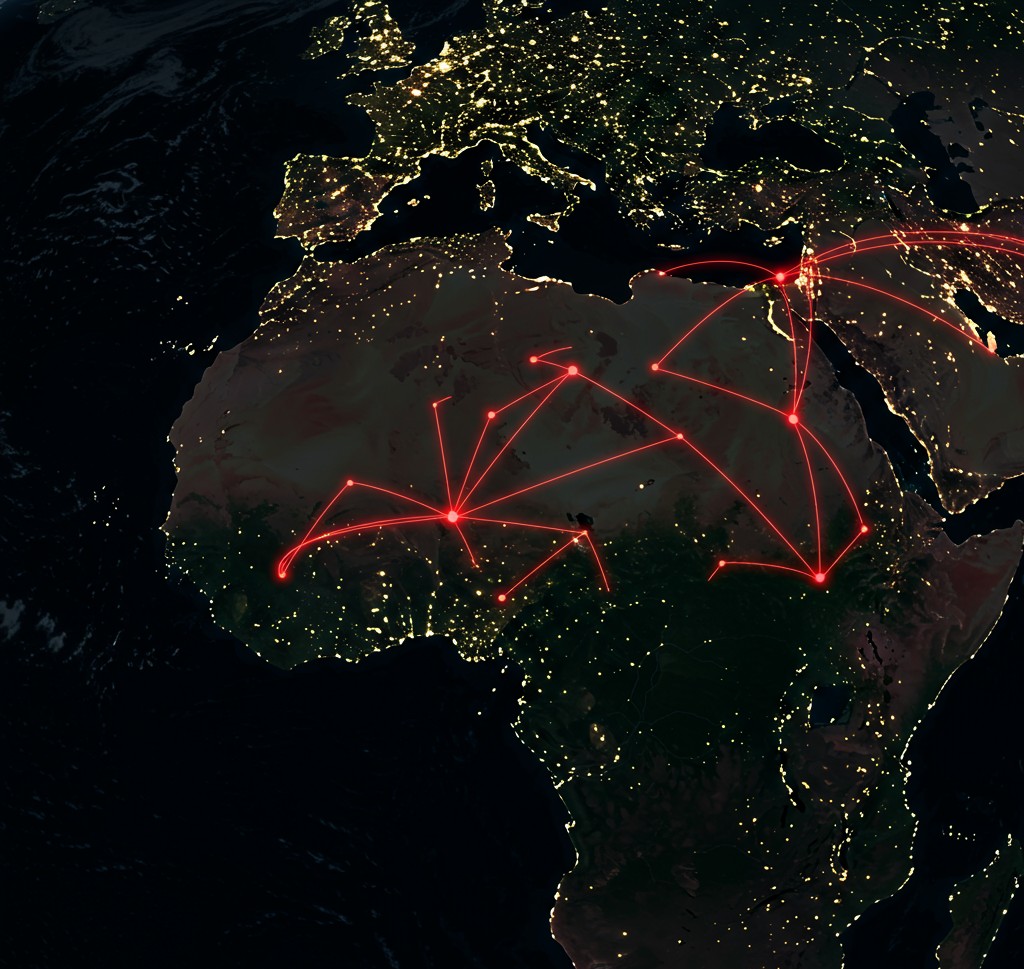
02 Sep THE SAHEL: A POLYGON OF CRISIS AT THE DOOR OF EUROPE
The Sahel: A polygon of crises at the door of Europe is an in-depth seminar exploring one of the world’s most complex and volatile regions.
Drawing on Ambassador Ángel Losada’s extensive diplomatic experience, the course offers a comprehensive understanding of the Sahel’s political, security, environmental, and developmental challenges.
The seminar begins by establishing the historical and geographical context of the Sahel and the peace process in Mali, before analysing the root causes and consequences of instability, including violent extremism, governance, and climate-driven fragility. It also examines the role of regional and other international actors—such as the European Union, United Nations, African Union and ECOWAS and how new actors like Russia and China are taking their place.
A central aim of the course is to enable students to assess the strategic importance of the Sahel in global and mainly European geopolitics and explore the complexities of designing sustainable policies in fragile contexts. Special attention will be given to the European strategies and their failures. Students will be encouraged to critically evaluate international approaches, develop informed perspectives on security and governance, and consider innovative policy responses.
Through a mix of lectures, case studies, and practitioner insight, the seminar equips students with the analytical tools to understand the multi-dimensional challenges of the Sahel and prepares them to engage with the region’s future as informed global citizens and future policy leaders
The Sahel: A polygon of crises at the door of Europe is an in-depth seminar exploring one of the world’s most complex and volatile regions.
Drawing on Ambassador Ángel Losada’s extensive diplomatic experience, the course offers a comprehensive understanding of the Sahel’s political, security, environmental, and developmental challenges.
The seminar begins by establishing the historical and geographical context of the Sahel and the peace process in Mali, before analysing the root causes and consequences of instability, including violent extremism, governance, and climate-driven fragility. It also examines the role of regional and other international actors—such as the European Union, United Nations, African Union and ECOWAS and how new actors like Russia and China are taking their place.
A central aim of the course is to enable students to assess the strategic importance of the Sahel in global and mainly European geopolitics and explore the complexities of designing sustainable policies in fragile contexts. Special attention will be given to the European strategies and their failures. Students will be encouraged to critically evaluate international approaches, develop informed perspectives on security and governance, and consider innovative policy responses.
Through a mix of lectures, case studies, and practitioner insight, the seminar equips students with the analytical tools to understand the multi-dimensional challenges of the Sahel and prepares them to engage with the region’s future as informed global citizens and future policy leaders
The Sahel: A polygon of crises at the door of Europe is an in-depth seminar exploring one of the world’s most complex and volatile regions.
Drawing on Ambassador Ángel Losada’s extensive diplomatic experience, the course offers a comprehensive understanding of the Sahel’s political, security, environmental, and developmental challenges.
The seminar begins by establishing the historical and geographical context of the Sahel and the peace process in Mali, before analysing the root causes and consequences of instability, including violent extremism, governance, and climate-driven fragility. It also examines the role of regional and other international actors—such as the European Union, United Nations, African Union and ECOWAS and how new actors like Russia and China are taking their place.
A central aim of the course is to enable students to assess the strategic importance of the Sahel in global and mainly European geopolitics and explore the complexities of designing sustainable policies in fragile contexts. Special attention will be given to the European strategies and their failures. Students will be encouraged to critically evaluate international approaches, develop informed perspectives on security and governance, and consider innovative policy responses.
Through a mix of lectures, case studies, and practitioner insight, the seminar equips students with the analytical tools to understand the multi-dimensional challenges of the Sahel and prepares them to engage with the region’s future as informed global citizens and future policy leaders
The Sahel: A polygon of crises at the door of Europe is an in-depth seminar exploring one of the world’s most complex and volatile regions.
Drawing on Ambassador Ángel Losada’s extensive diplomatic experience, the course offers a comprehensive understanding of the Sahel’s political, security, environmental, and developmental challenges.
The seminar begins by establishing the historical and geographical context of the Sahel and the peace process in Mali, before analysing the root causes and consequences of instability, including violent extremism, governance, and climate-driven fragility. It also examines the role of regional and other international actors—such as the European Union, United Nations, African Union and ECOWAS and how new actors like Russia and China are taking their place.
A central aim of the course is to enable students to assess the strategic importance of the Sahel in global and mainly European geopolitics and explore the complexities of designing sustainable policies in fragile contexts. Special attention will be given to the European strategies and their failures. Students will be encouraged to critically evaluate international approaches, develop informed perspectives on security and governance, and consider innovative policy responses.
Through a mix of lectures, case studies, and practitioner insight, the seminar equips students with the analytical tools to understand the multi-dimensional challenges of the Sahel and prepares them to engage with the region’s future as informed global citizens and future policy leaders
The Sahel: A polygon of crises at the door of Europe is an in-depth seminar exploring one of the world’s most complex and volatile regions.
Drawing on Ambassador Ángel Losada’s extensive diplomatic experience, the course offers a comprehensive understanding of the Sahel’s political, security, environmental, and developmental challenges.
The seminar begins by establishing the historical and geographical context of the Sahel and the peace process in Mali, before analysing the root causes and consequences of instability, including violent extremism, governance, and climate-driven fragility. It also examines the role of regional and other international actors—such as the European Union, United Nations, African Union and ECOWAS and how new actors like Russia and China are taking their place.
A central aim of the course is to enable students to assess the strategic importance of the Sahel in global and mainly European geopolitics and explore the complexities of designing sustainable policies in fragile contexts. Special attention will be given to the European strategies and their failures. Students will be encouraged to critically evaluate international approaches, develop informed perspectives on security and governance, and consider innovative policy responses.
Through a mix of lectures, case studies, and practitioner insight, the seminar equips students with the analytical tools to understand the multi-dimensional challenges of the Sahel and prepares them to engage with the region’s future as informed global citizens and future policy leaders
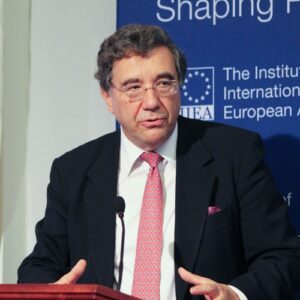
ANGEL LOSADA
0
Skills
• Recognize influence tactics such as emotional triggers, nudges, defaults, and dark patterns – and assess when persuasion becomes manipulation.
Schedule
Which dates?
DAY 1 TBD
DAY 2 TBD
DAY 3 TBD
DAY 4 TBD
DAY 5 TBD
DAY 6 TBD
What day?
TBD (DAY)
What time?
HOUR TBD
