
15 Oct PERFORMING UNDER PRESSURE: CONFIDENCE, FOCUS AND RESILIENCE FOR ACADEMIC SUCCESS
University can be exciting, challenging, and, at times, overwhelming. Many students know what they need to do to succeed, yet struggle with self-doubt, procrastination, stress, difficulty concentrating, or maintaining confidence when the pressure is on.
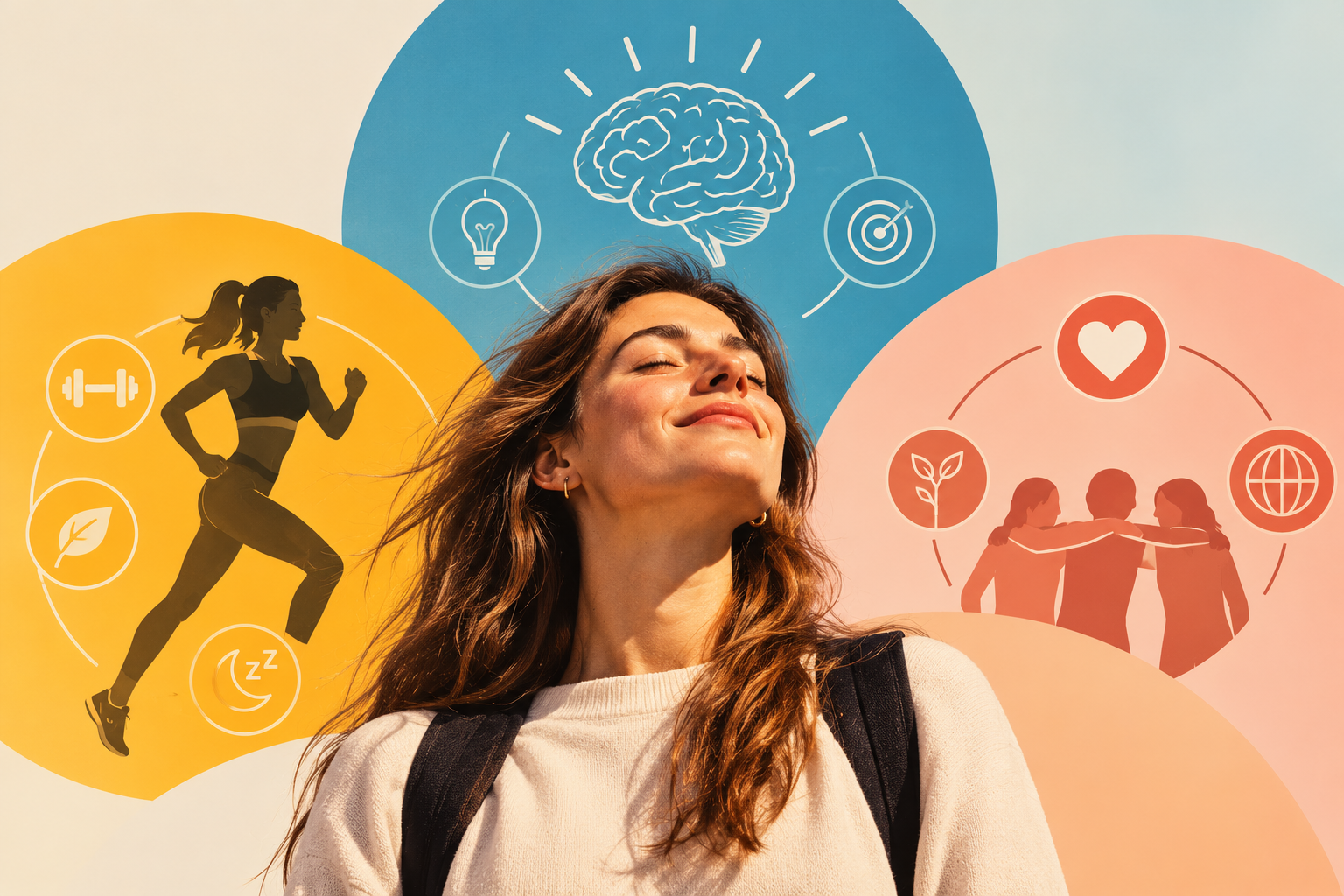
This seminar is designed to help students perform at their best in demanding academic situations by understanding how learning works and by developing practical strategies that support confidence, focus, and resilience. Using the IE Center for Health & Well-being’s Body–Mind–Soul framework, participants will explore how physical well-being (body), thoughts and attention (mind), and purpose, relationships, and belonging (soul) influence academic performance and overall well-being.
Through a combination of practical tools, self-reflection, peer learning, and evidence-based strategies from neuroeducation and the learning sciences, students will learn how to manage pressure more effectively, build sustainable study habits, strengthen their attention, and develop the confidence to tackle challenges with greater clarity and persistence.
Throughout the course, each participant will work on a real academic challenge while documenting their learning journey through a personal Learning Logbook. Through guided reflection, experimentation, and evidence-based learning strategies, students will gradually identify the practices that work best for them. During the final session, these insights will be consolidated into a personalized Learning & Performance Toolkit that can continue supporting their academic journey beyond the seminar.
As part of the seminar, students will complete the Human Flourishing digital learning pathway developed by the IE Center for Health & Well-being. The online modules are completed between face-to-face sessions and are designed to deepen, consolidate, and extend the concepts explored in class through guided reflection and additional evidence-informed resources.
Students can expect a respectful and psychologically safe environment in which questions, mistakes and diverse perspectives are welcomed. Classes are intentionally structured to support attention and engagement through varied activities, clarity of purpose and thoughtful pacing. Brief pauses or moments of movement may be incorporated to support alertness and regulation, recognizing the role of the body in learning. Learning experiences are inclusive by design, offering clarity and multiple ways to engage, while fostering curiosity, relevance and meaningful connection to real-world contexts. Feedback emphasizes process and growth to support continuous improvement.
At the same time, students are expected to take active responsibility for their learning and well-being by arriving prepared, present and ready to engage. This includes managing rest, emotions, attention, participation and communication in ways that support their own learning capacity and that of the group. Recognizing that learning capacity fluctuates, the course encourages open dialogue and shared responsibility to sustain both academic rigor and well-being.
IRENE YAGÜE
Irene Yagüe Sancho is Associate Director at the IE Center for Health & Well-being, where she leads initiatives that promote student well-being, human development, and learning capacity across the university community. She is currently pursuing a Master’s in Neuroscience and Education at the University of Barcelona and has specialized training in emotional intelligence and leadership. Her work focuses on designing evidence-informed programs that integrate neuroeducation, well-being, and personal development to help students thrive academically and personally.

Skills
1. Understand how learning, attention, emotions, and motivation influence academic performance.
2. Apply practical strategies to regulate attention, emotions, and energy in demanding academic situations.
3. Use evidence-based learning and study strategies to improve learning effectiveness and academic performance.
4. Use feedback and setbacks as opportunities for learning, adaptation, and growth.
5. Develop a personalized Learning & Performance Toolkit that supports academic success, well-being, and sustainable high performance.
Schedule
Which dates?
21-jan
28/0172027
04-feb
11-feb
18-feb
25-feb
What day?
THURSDAYS
What time?
16.30-18.00
