
15 Oct Public Diplomacy In a Changing World
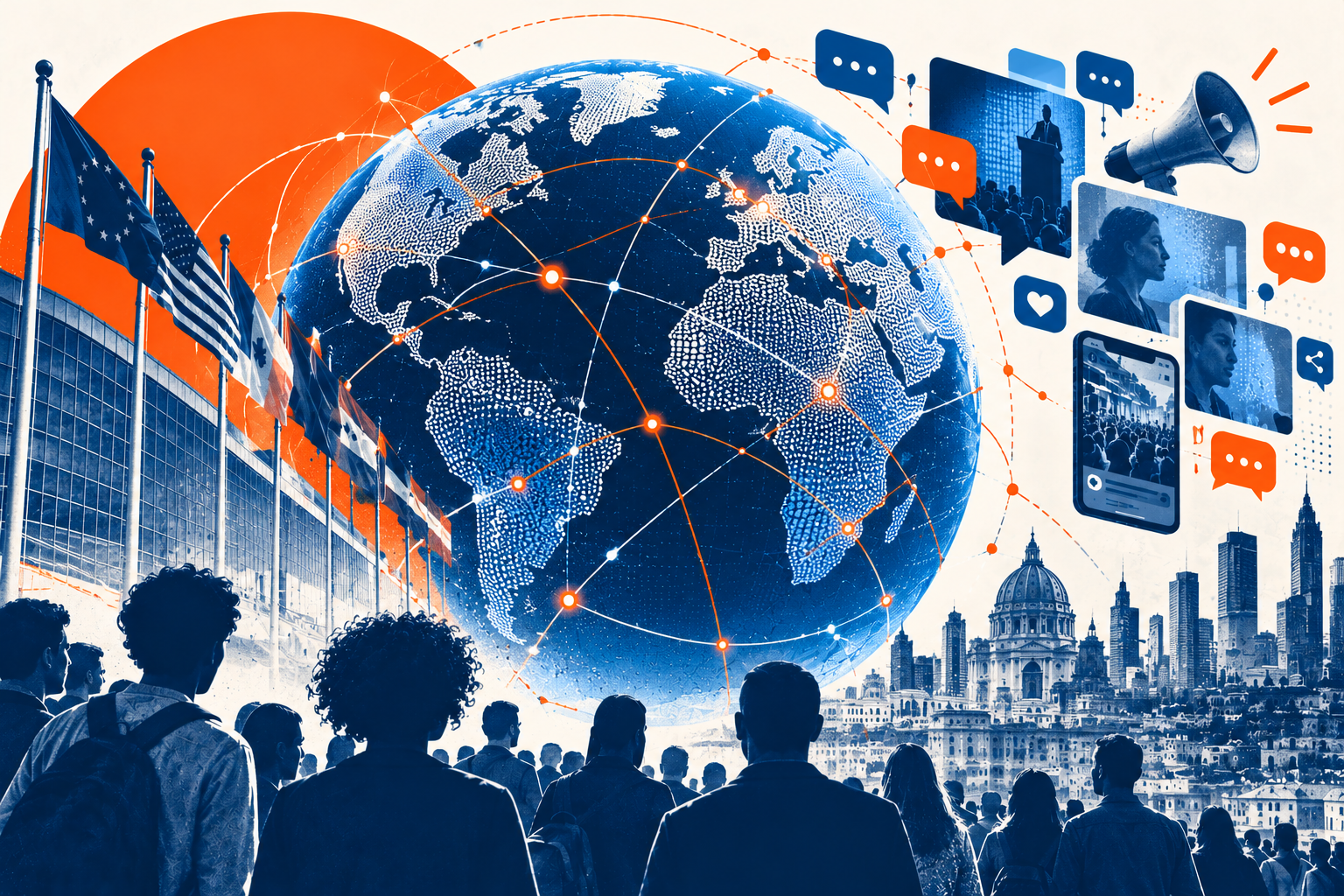
This course will examine concepts, practices, institutions, and critical issues in public diplomacy (PD), both from a governmental and non-governmental perspective. It assumes the central importance of public engagement in today’s diplomacy and crisis management, and will examine effective
informational, educational and cultural programs in a world more and more divided along ideological and economic lines. More diplomatic outreach and engagement occurs in public places – real and virtual. A more diverse and increasingly active set of players is filling the global space for engagement and communications with a savvier and more discerning global audience. The communications landscape is faster, more complex, and more competitive than ever before, and new technologies are accelerating diplomacy but also accelerating how quickly misinformation spreads. Drawing on the experiences of diplomats and private sector practitioners, and a growing body of literature, we will explore what this means for the changing actors, issues, methods, and environments of public diplomacy and public relations in the 21st century.
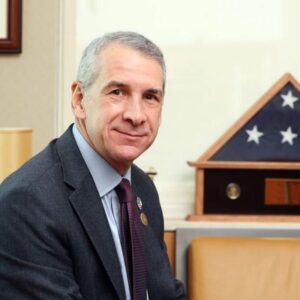
PHIL FRAYNE
Philip Frayne is a retired American diplomat who spent 33 years in the Foreign Service conducting public and traditional diplomacy in 9 different countries. He was most recently appointed the U.S. Consul General in Dubai, and served as
the head of the Public Diplomacy sections at the U.S. Embassies in Paris, Amman, Cairo, Baghdad, Casablanca and Colombo, as well as directing all public diplomacy programs for the Middle East from the State Department in Washington, D.C.
Skills
Upon successful completion of this course, students will be able to:
— Understand the global context of public diplomacy and public outreach;
— Demonstrate an understanding of the concepts, institutions, processes, and
tools relevant to public engagement;
— Design a multi-faceted public outreach program to advance a particular
cause or policy;
— Understand and critically analyze how social media, globalization, and nonstate
actors are shaping the practice of public diplomacy;
— Respond more effectively to potential media queries about their topics of
interest;
— Demonstrate an understanding of the current challenges to public diplomacy
and public outreach and critically evaluate recommended reforms.
Schedule
Which dates?
04-mar
11-mar
18-mar
08-apr
15-apr
22-apr
What day?
THURSDAYS
What time?
17.00-18.30
